
Office Furniture Guides for New England Buyers
Practical writing for facilities managers, operations leaders, and HR teams across New England. No buzzwords, no listicles. Just the things we wish more buyers knew before signing a furniture contract.
Three Guides to Start With
These guides come out of real projects, bids and buyer questions in New Hampshire and Greater Boston. Start with the three below: what a fit-out costs per seat, how long furniture actually takes to arrive, and what kind of dealer you are buying from. The rest are grouped by what you are trying to do.

Before you have a single bid, you need a number to plan around. Here are the real per-seat furniture costs for a New England office this year, by tier.

What manufacturers quote and what they actually deliver. Real lead time data from 124 shipments we tracked across New England last year.

Independent means we are not locked to a single manufacturer. Aligned means our compensation tracks your outcome, not a brand quota. Both apply, and the difference matters on every bid.
Cost and Space Planning
Budgets, cost benchmarks, square footage per person and the layout decisions that drive them.
An office fit-out budget template you can use on the page: enter headcount, desk sharing, private offices, meeting rooms and finish tier for an installed furniture range, then download the Excel version.
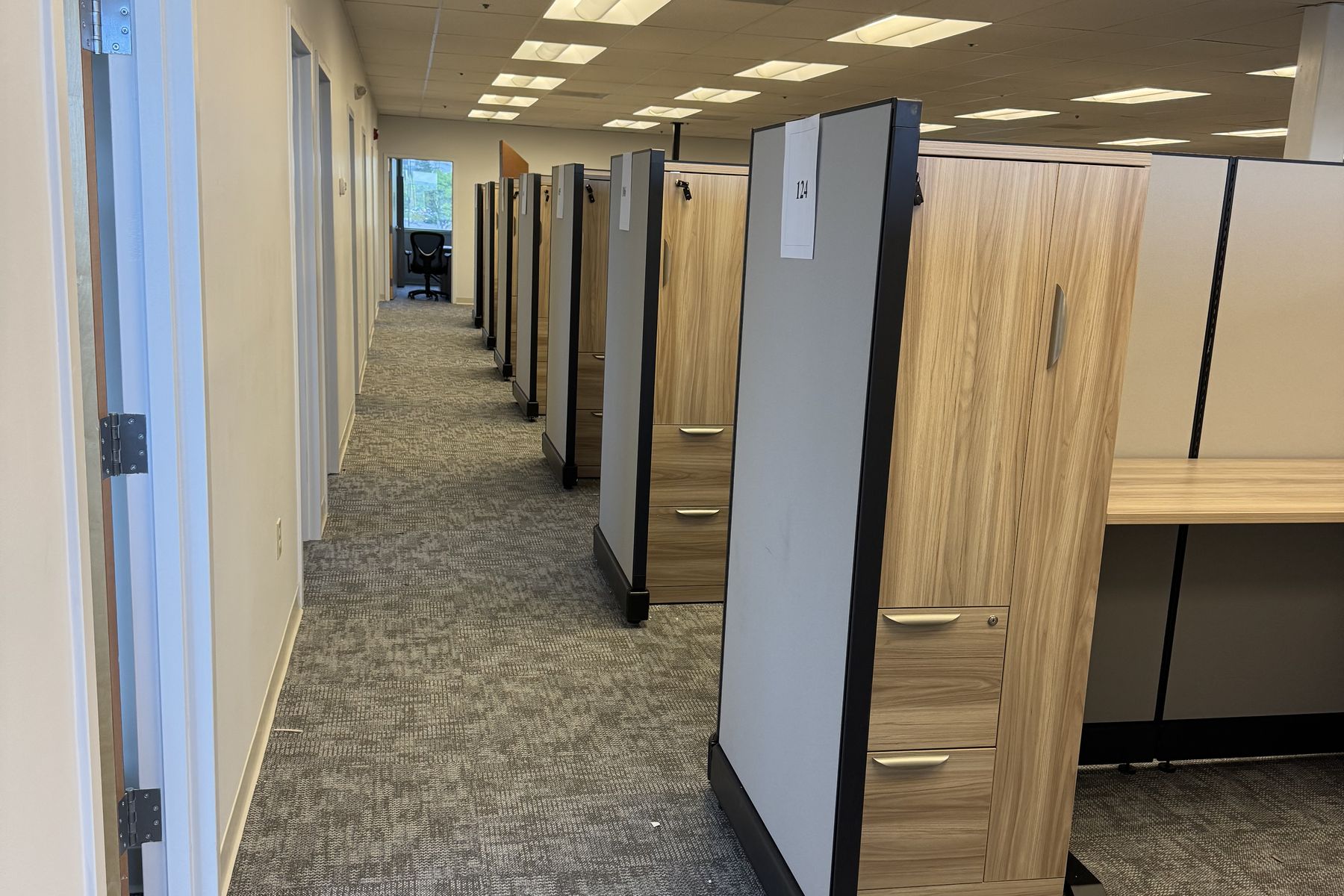
Benching vs private offices comes down to floor area: a bench seat takes 25 to 40 square feet, a private office 100 to 150. Here is how that, your peak-day attendance and your focus rooms add up on a real floor.
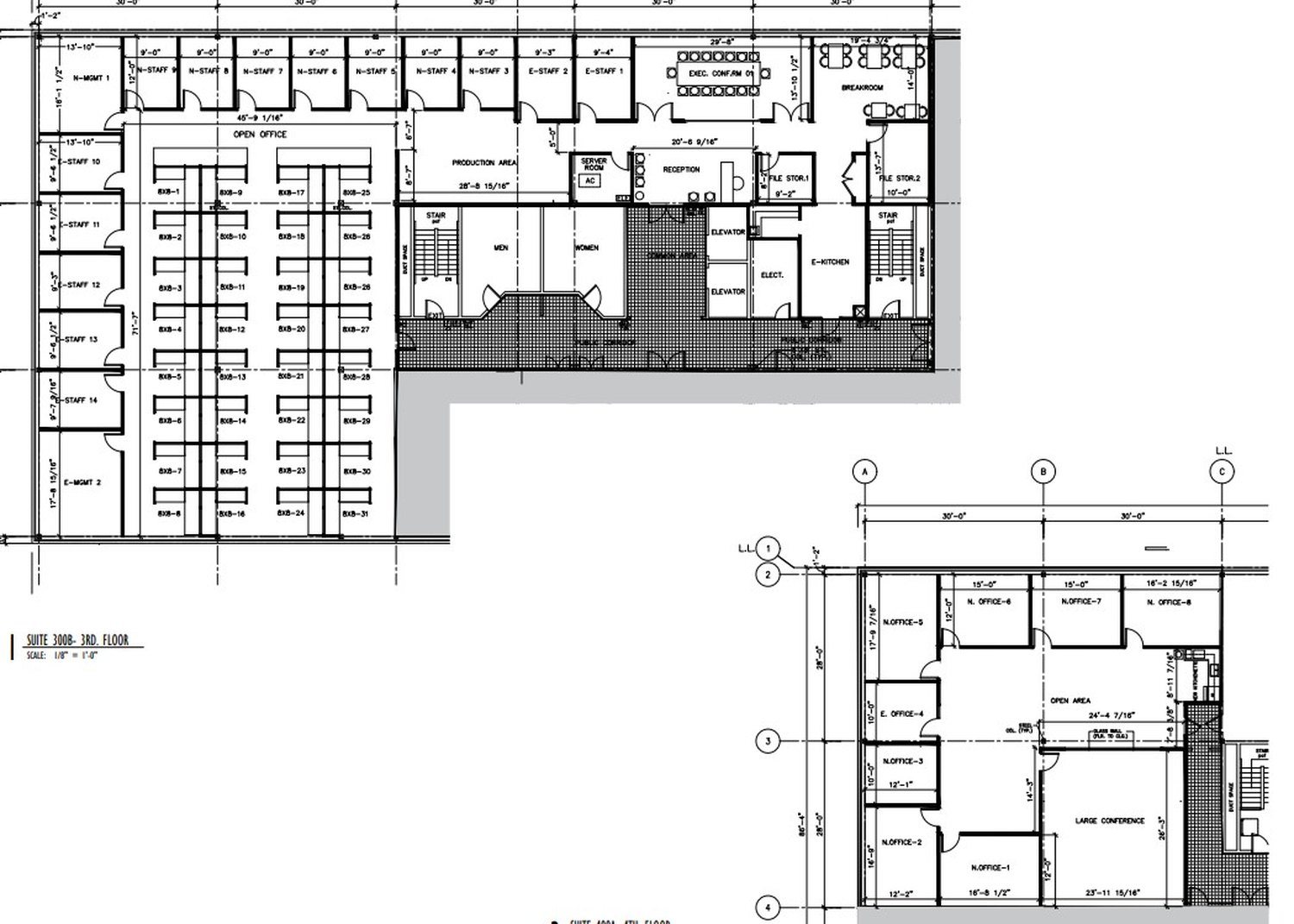
Office furniture cost per employee in New England runs $4,500 to $8,000 installed for most established companies in 2026, inside a full range of $2,500 to $15,000 or more. Here is what moves the number, what sits outside it, and how to phase it across two budget years.
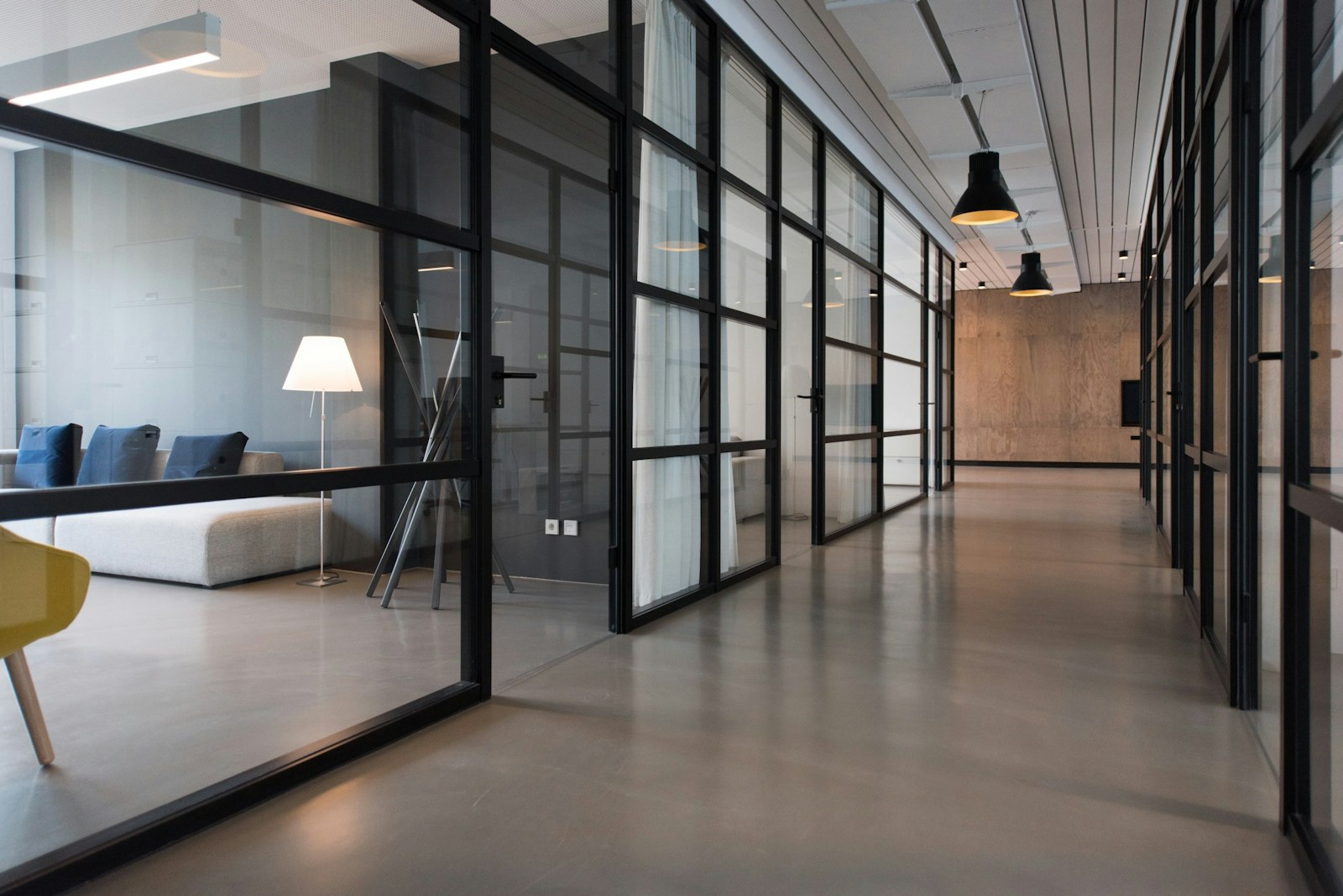
Accessibility gets handled late on most furniture projects, usually as one adjusted desk after somebody asks. Here are the clearances that govern a work surface, where furniture can carry the requirement on its own, and how to plan a floor that works for whoever is hired next.

Tenants routinely assume the improvement allowance covers furniture, then find out at lease signing that it does not. Here is how landlords usually treat furniture, what is worth negotiating before you sign, and why the tax treatment may matter more than the allowance.
Most offices now have a room like this. Many of them are a converted closet with a chair nobody wants to sit in. Here is what the law actually requires for lactation space, what makes a quiet room usable, and how to furnish both without losing a conference room.

List prices moved again this year. Most of the increase is not the furniture. Here is how to read a manufacturer increase notice, what an open-line dealer can do about it, and how to hold a budget you set six months ago.
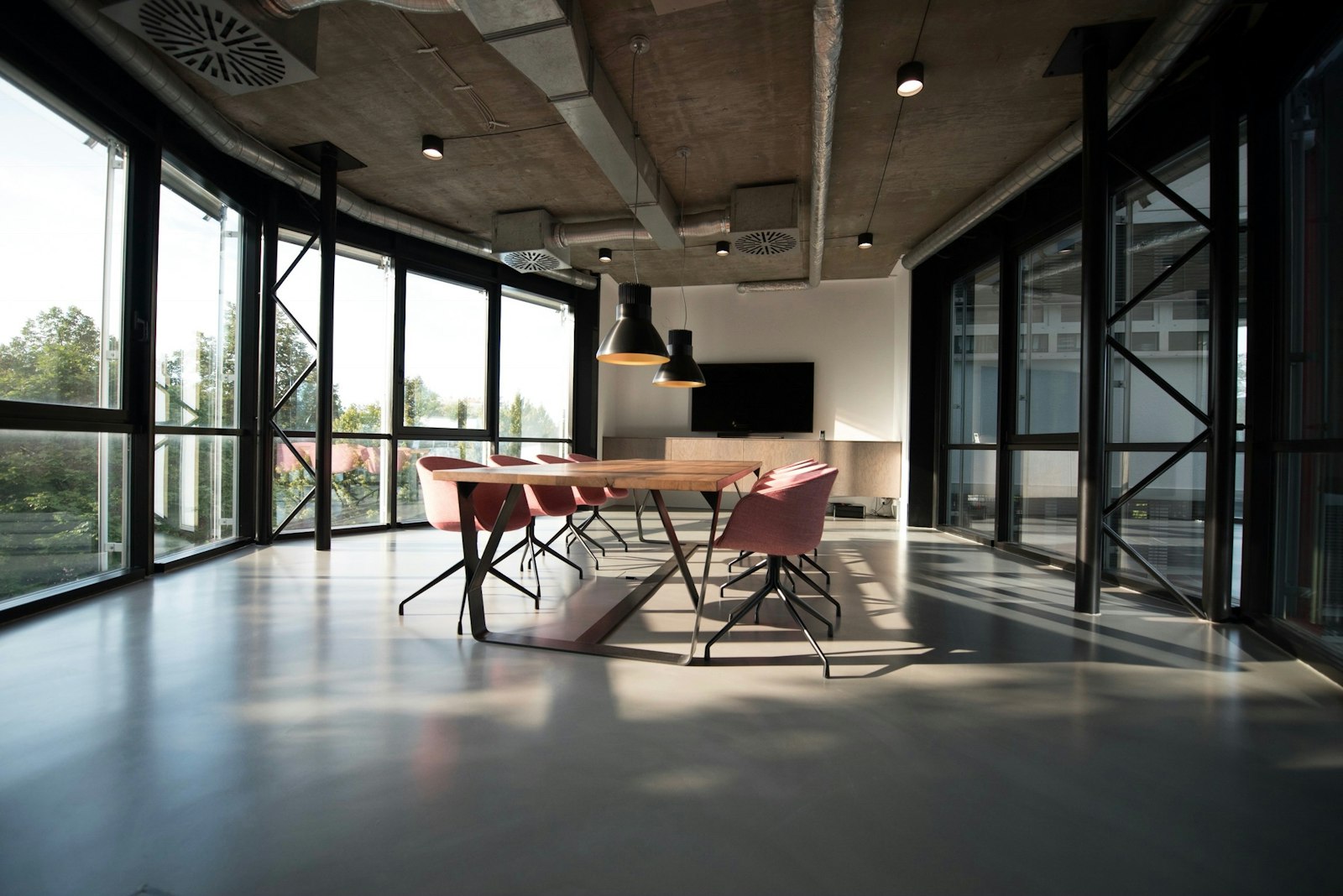
Nothing exposes a furniture plan faster than the first Monday of occupancy, when power strips start crossing walkways. Here is how to get power and data right in the furniture, not after it.
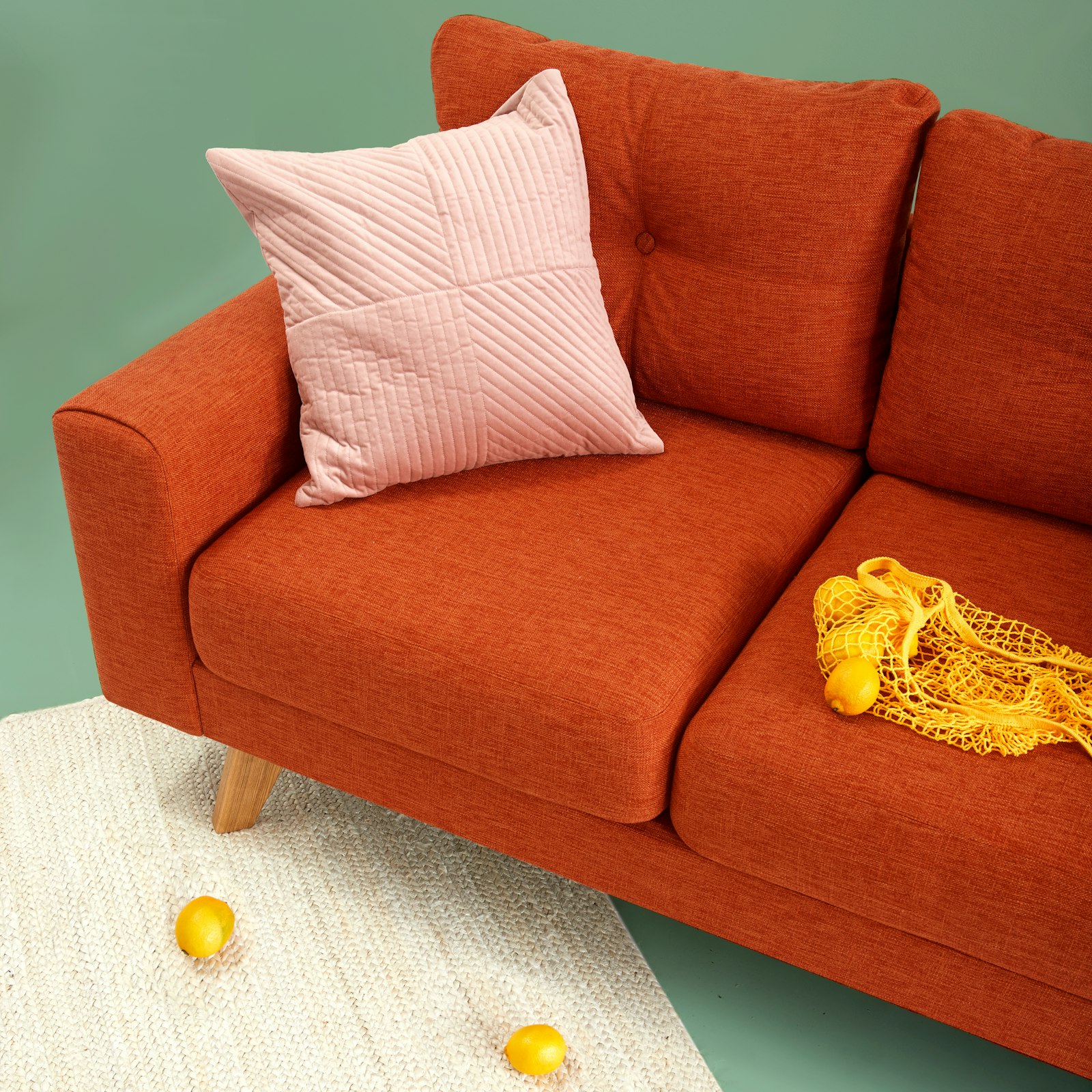
Most offices have a lounge area that sits empty and a hallway where everyone stands to talk. That gap is an ancillary furniture problem. Here is how to spec soft seating that earns its floor.
A training room used twice a month is expensive floor. The fix is furniture that lets the same room run a class, an all-hands, a workshop and a lunch without a crew and a hand truck.
Private offices are back on a lot of floor plans, smaller and doing more jobs than before. Here is how to size them, furnish them, and avoid spending executive money on a room that is used four hours a day.
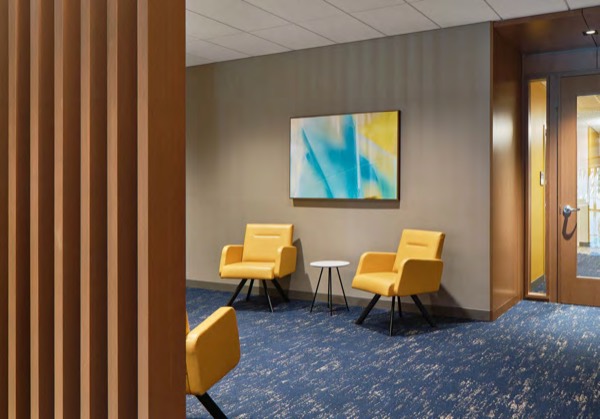
The furniture is selected and the finishes are coming together. Then someone asks what goes on the walls. Here is how COI and Great American Art fold artwork into the same process, with no upfront GAA design fee.

Your first office is furnished with a smaller budget and a less certain future than any office you will furnish later. Here is where to spend, what to defer, and the decisions that are expensive to undo.

Shared seating works right up until people have nowhere to leave a laptop bag. Here is how to plan personal storage for a hybrid floor so desk sharing stops feeling like being a guest.
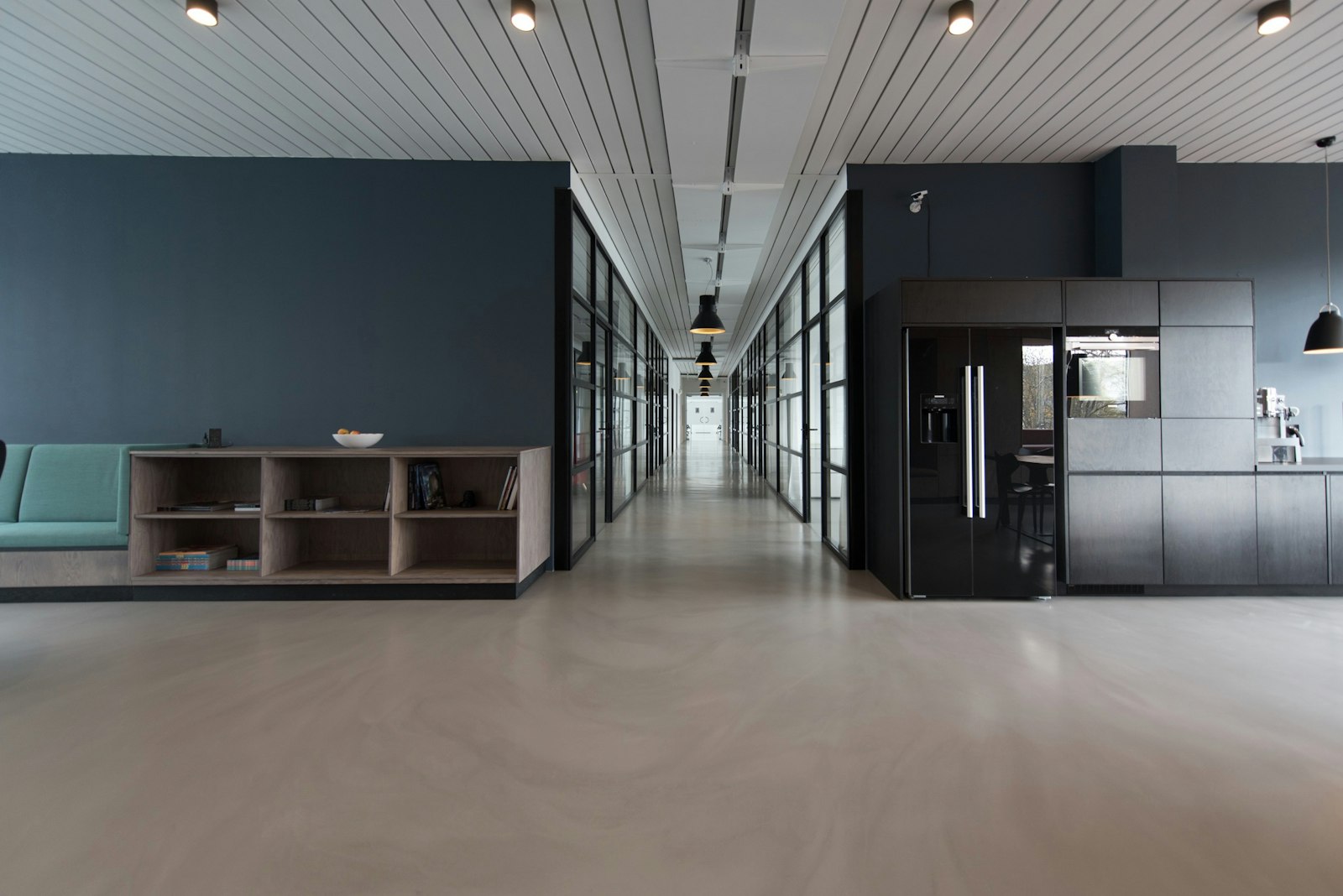
What commercial office interior design includes, who owns each decision, and how furniture planning moves from workplace needs to installation.
The old 150 square feet per person rule broke when attendance stopped being flat. Here is how to size a space around a peak day.

A small office does not have to feel cramped. The trick is designing the floor around how people actually work, so 2,000 square feet does the job of 3,000. Here is where the space hides.
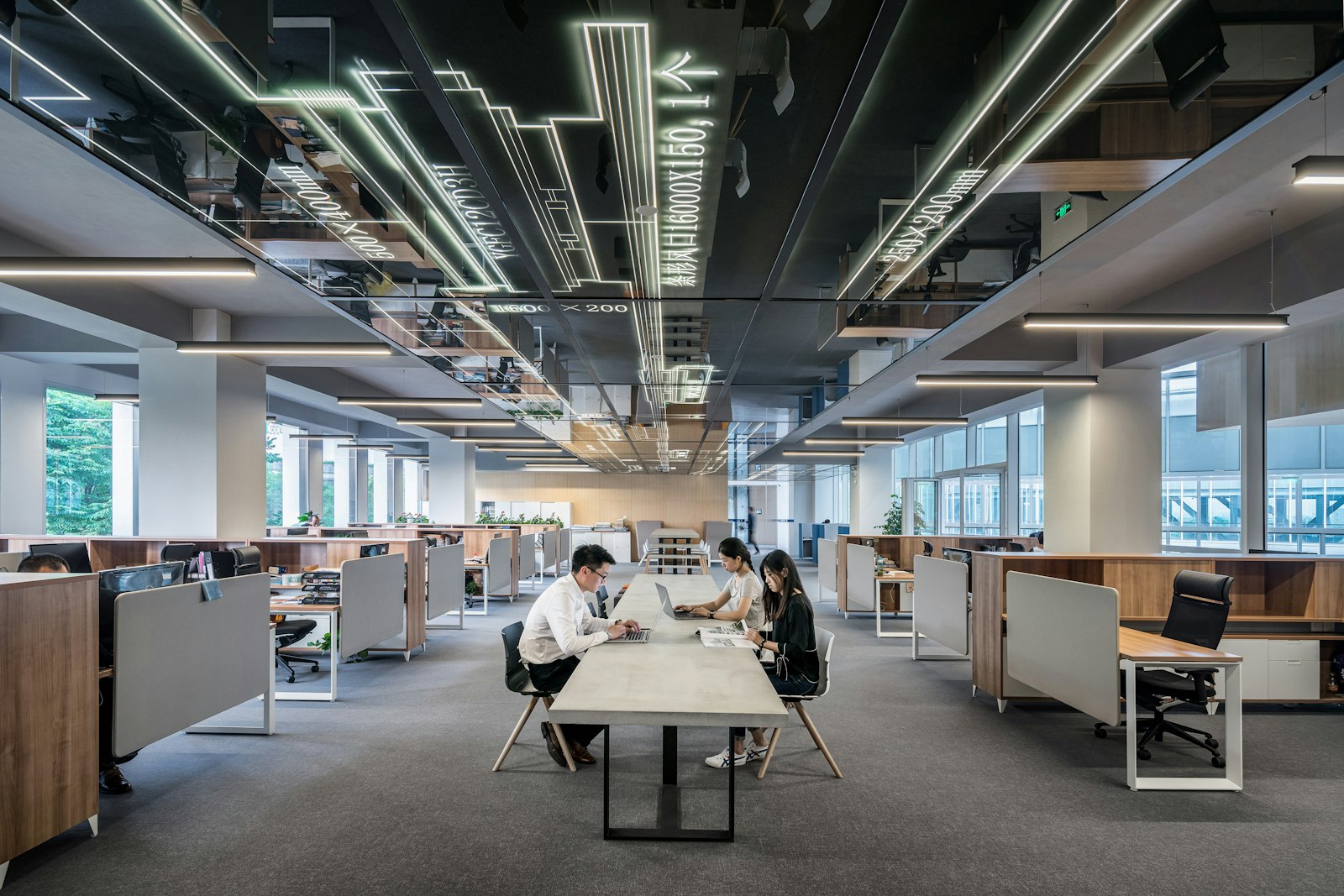
Trends move fast. Office furniture does not. Here is which 2026 office design directions are worth building into a floor, and which ones will look dated before the lease is up.

Color is the cheapest thing to get wrong and the most visible. Here is how to build an office palette in layers, so the floor looks current now and still looks right when the trend has moved on.
Biophilic design is more than a plant in the corner. Done right it makes an office calmer and easier to work in. Done for the photo it is dead plants and a maintenance bill. Here is the difference.
The cubicle did not die. It got lower, lighter, and smarter. Here is how to spec workstations that give people focus without rebuilding the gray maze of 2005.

Half of most meetings happen on a screen now, and most conference rooms were built for the half still in the room. Here is how to fix the table, the seating, and the sight lines so remote people can take part.
Before you buy a floor of new furniture, look at what you already have. A reconfiguration can cover most of a layout change at a fraction of the cost, if you know what is worth keeping.
When headcount is climbing, furniture either gets ahead of the growth or chases it. Here is how to spec a floor that absorbs new hires without a re-buy every quarter.
Most lobbies are a desk, two chairs, and a coffee table nobody uses. Here is how to plan a reception that handles guests, deliveries, and the first impression without overspending.
Hot-desking and the paperless office were supposed to end the storage problem. They moved it. Here is how to give people a place for their things without renting more space.
Most breakrooms sit empty because they were planned as one big room with a fridge. The fix is zones, durable furniture, and a spend that matches how people really use the space.
Open plans solved collaboration and broke concentration. The fix is not more walls. It is the right mix of absorb, block, and mask, and most of it is furniture you already buy.
Sticker price is the worst predictor of what a furniture program actually costs. Here is the 10-year math on commercial vs lower-tier specification.
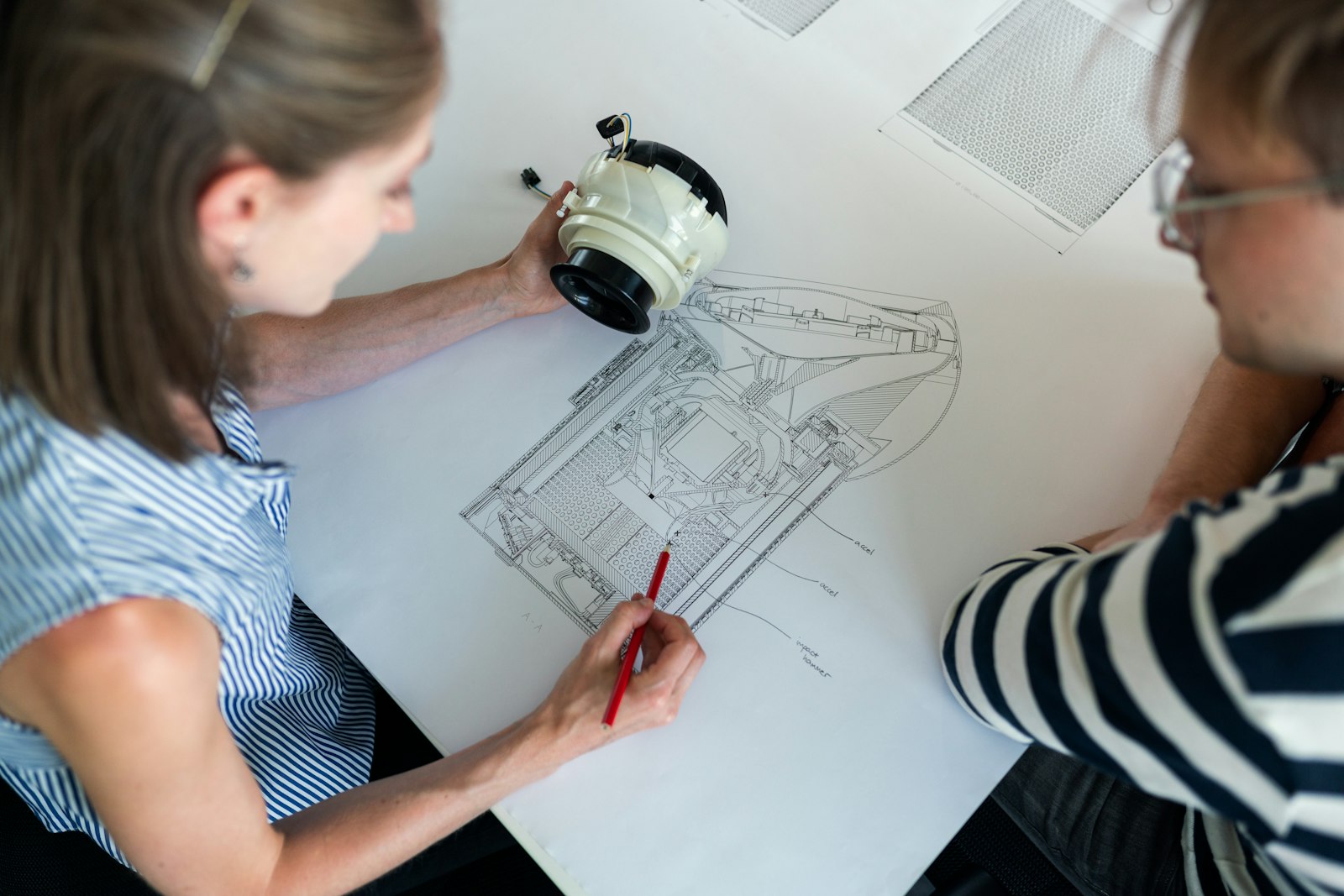
A 3D space plan delivered before order placement catches roughly 80 percent of the fit-up corrections that would otherwise show up on install day. Here is the cost of skipping it.
Three years into hybrid, the office is doing a different job. What Boston, Manchester, and Portsmouth teams are actually building.
Drywall offices belong on your leasehold improvement schedule. Demountable glass walls belong on your balance sheet. Here is the math.
Per square foot is the unit landlords and brokers use. It is a poor unit for furniture. Here is how to convert between the two without underbudgeting.
Space planning is not drawing furniture on a floor plan. Here is the sequence, the inputs it needs from you, and what a finished plan should include.
Designer, architect, space planner, and dealer overlap more than the titles suggest. Here is who does what, and which projects genuinely need each.
By Industry
What changes when the office belongs to a law firm, a clinic, a lab, a school, a bank or a public agency.
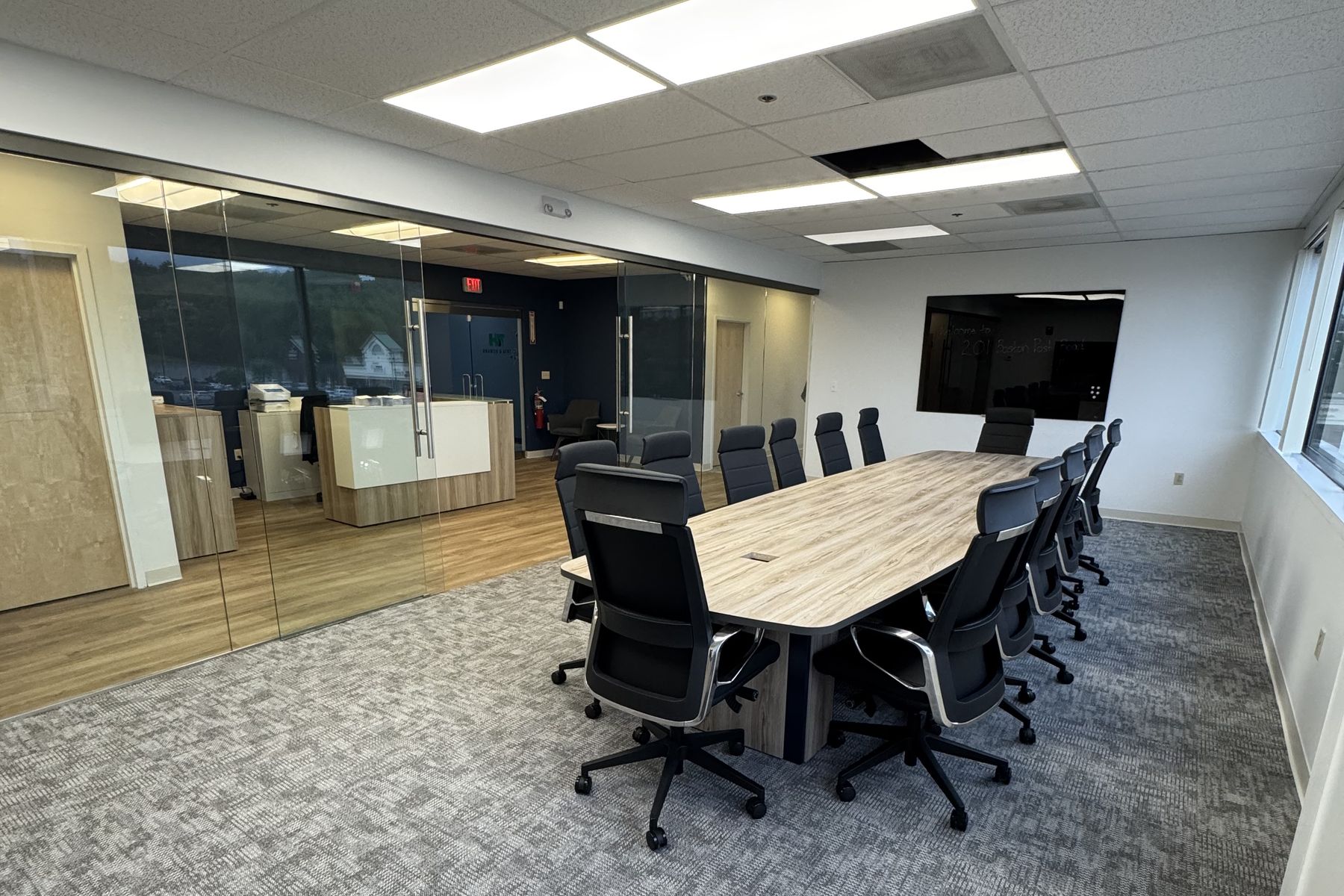
Downsizing a law office starts with private offices, file rooms and the library. Here is how to standardize office sizes, convert the rooms paper used to fill, protect the client suite and reuse the casegoods you already own.
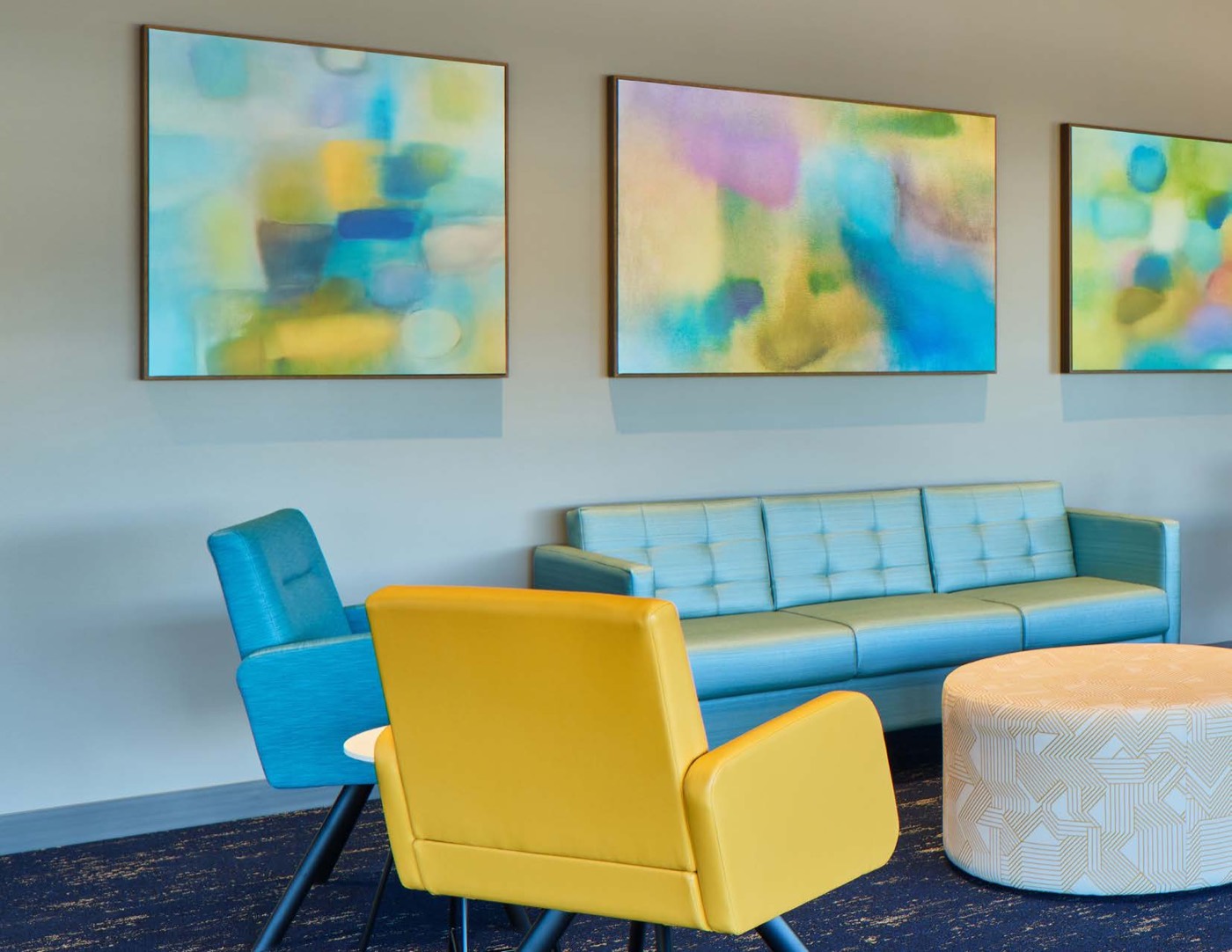
Dental office furniture and exam room furniture are specified around three fixed things: the equipment layout, the cleaning protocol and the opening date. Here is what to specify in exam rooms, operatories and staff space, and how long clinical furniture takes in New England.

Senior living furniture has to be safe for residents, workable for caregivers, cleanable on a strict protocol, and still look like a home. Here is how those requirements sort out in a real specification.
Branches stopped being transaction counters and became advisory offices. The furniture has not always caught up. Here is how to plan a branch refresh across a network without a different answer at every location.

Nonprofits get offered a lot of donated furniture and a lot of bad advice. Here is how to build a decent office on a real budget, and when free furniture costs more than buying it.
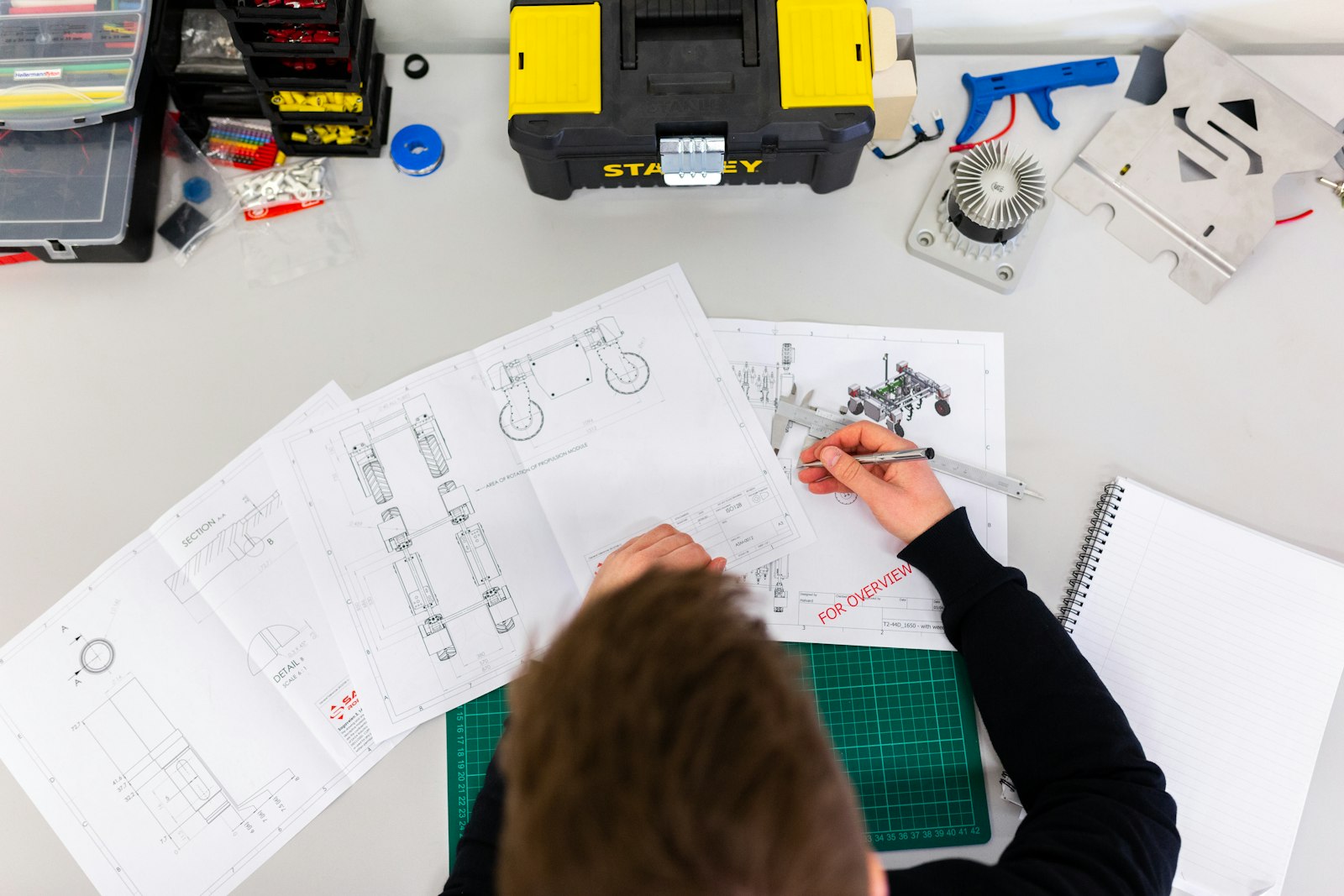
A contact center floor is the hardest furniture problem in an office: maximum seats, constant talking, long shifts and heavy use. Here is how to get density without a floor nobody can work on.
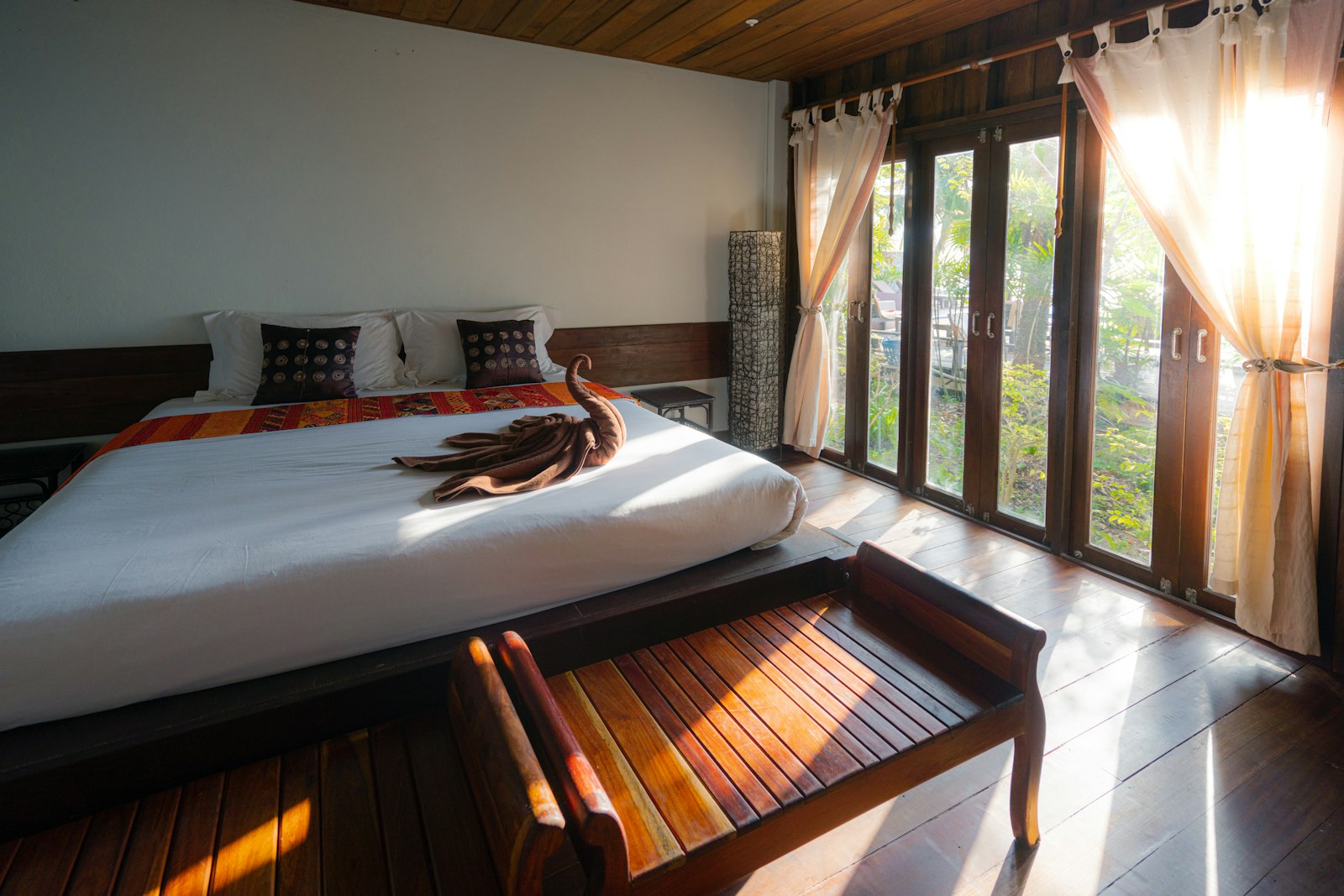
An aligned furniture portfolio can be a sensible default. An open-line approach gives biotech facilities teams another option: select each product around the room, the process, the evidence and the installed scope.
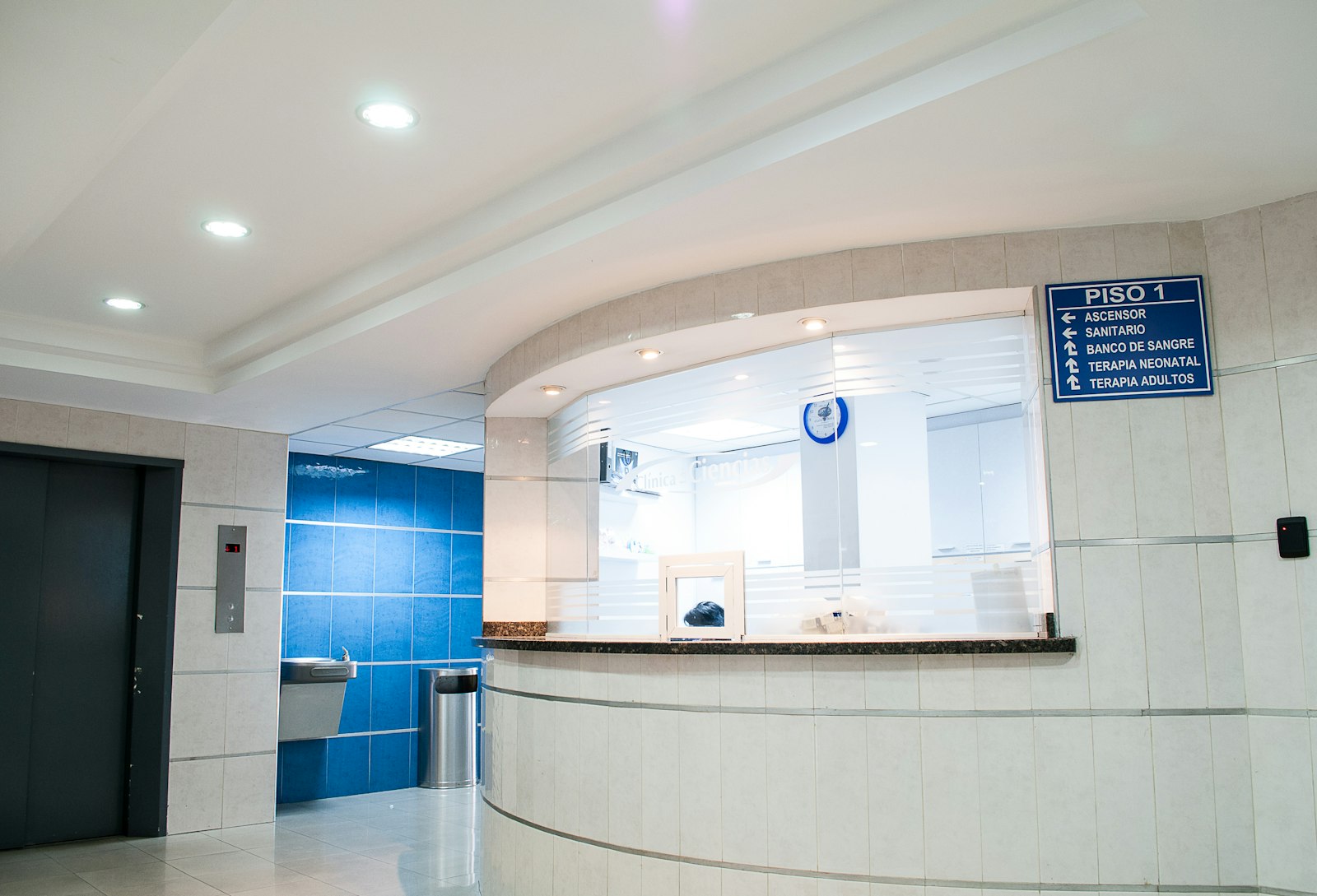
Aligned dealers offer convenience inside one major portfolio. An open-line dealer offers a different advantage: healthcare-specific product choice, compared against the requirement of each room.
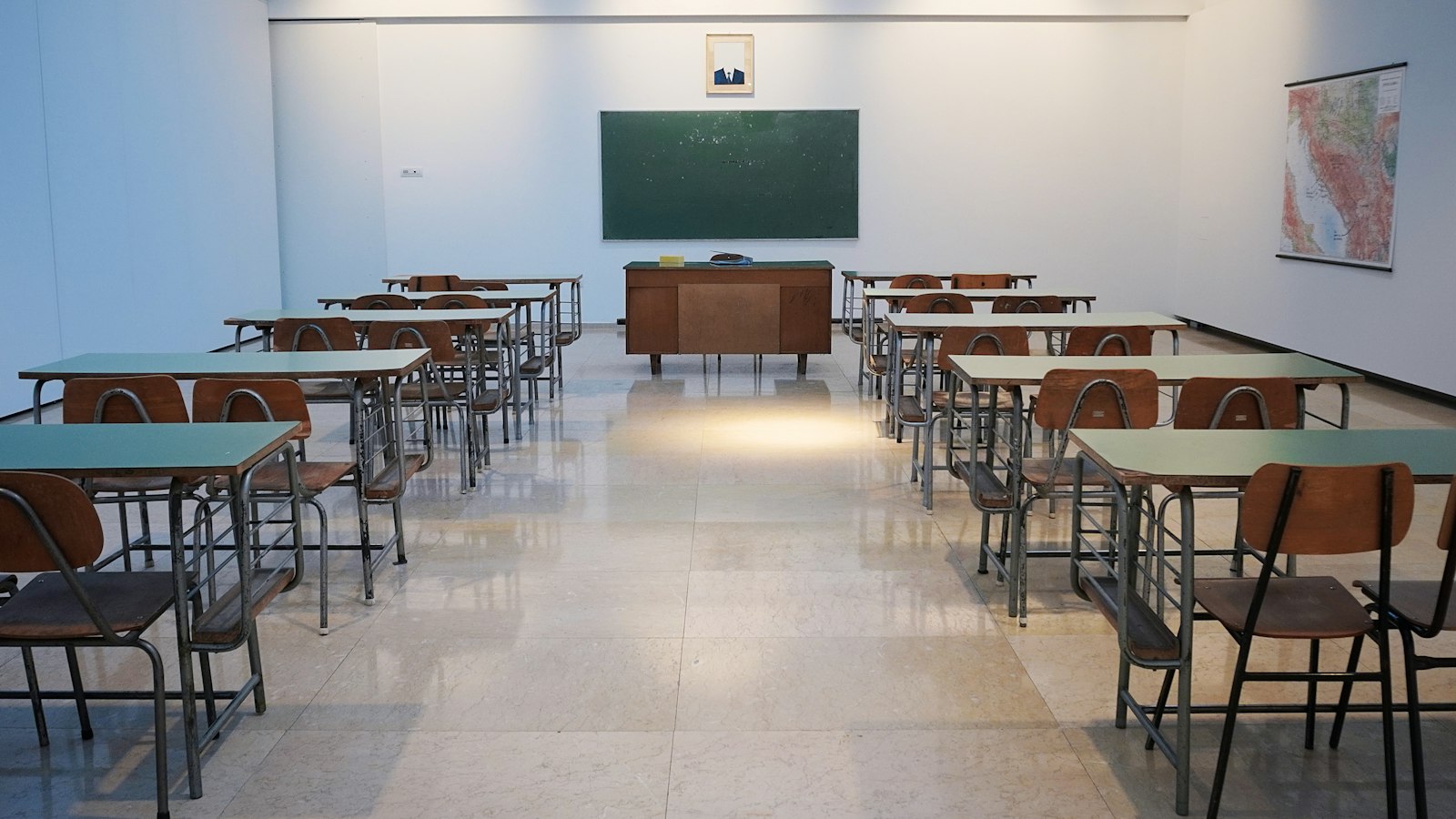
School furniture is more than a product selection. It is a coordinated capital-project workstream involving instruction, accessibility, procurement, documentation, logistics and long-term support.

A practical comparison of Arconas and Artopex airport seating, plus the design, cleaning, accessibility, power, procurement, and installation issues New Hampshire airport teams should evaluate before requesting a quote.

A project brief on ARMI's ReGen Valley build-out at 150 Dow Street in Manchester and how flexible Formaspace lab furniture, paired with a local open-line dealer, can support New Hampshire biomanufacturing.
Healthcare furniture lives by different rules: it has to wipe down, hold up to constant use, and seat every kind of patient. Here is how to spec a waiting room and clinic that pass infection control and still feel calm.
Law offices have different rules: private offices still matter, casegoods carry the brand, and the lease clock is unforgiving. Here is how to spec a firm without overpaying.
Cambridge and the 128 corridor run on lab-adjacent office space that has to flex fast. Here is how to furnish it for the headcount you will have, not the one you have now.
Flammability, lead content, tip-over, and ADA clearances all apply to school furniture. Here is what a district should ask a vendor to prove before a PO goes out.

Campus furniture faces heavier use, tighter summer windows, and state procurement rules. Here is what changes compared with corporate work.
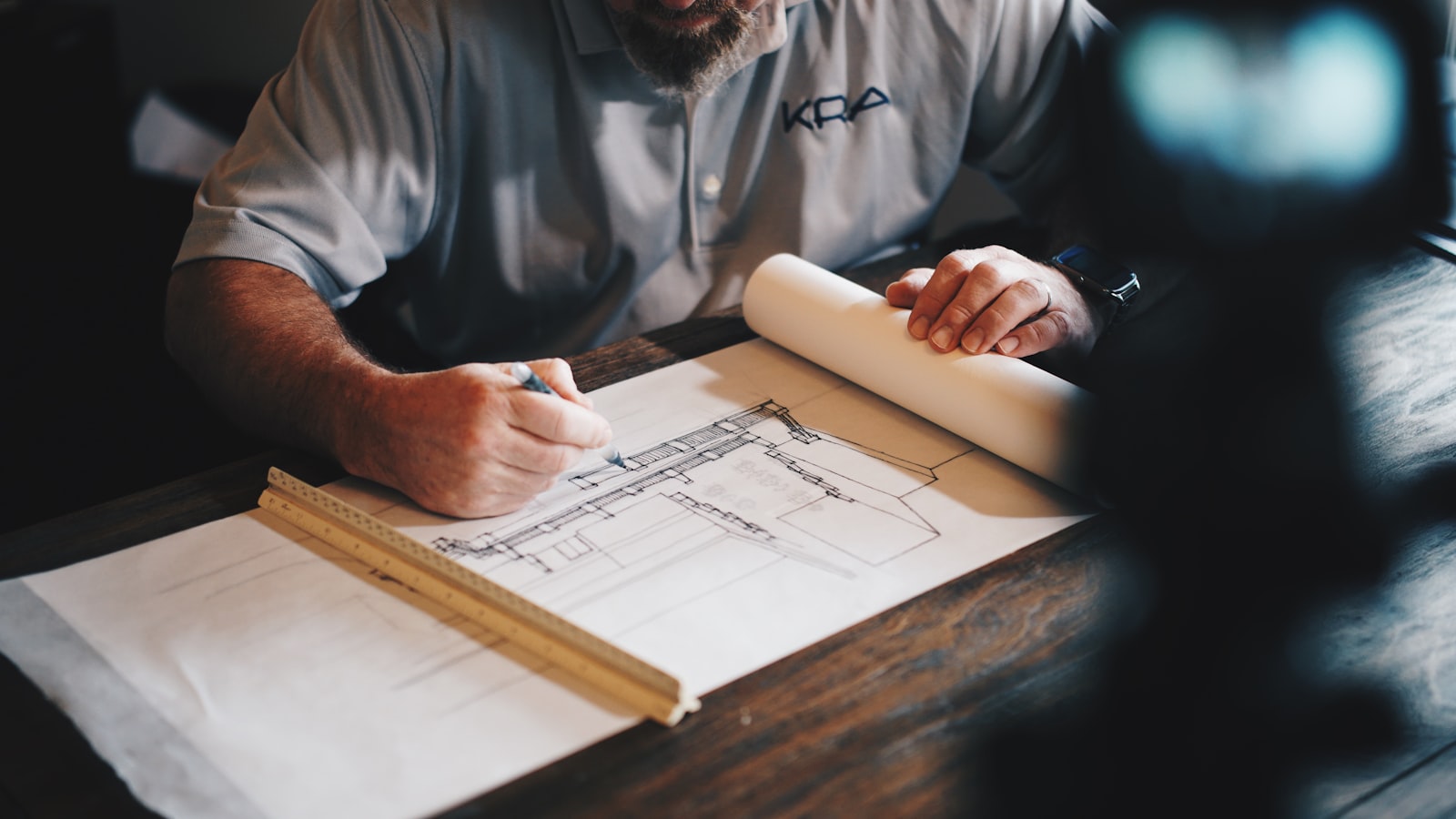
Town halls, public safety buildings, and administrative offices buy under rules corporate offices do not have. Here is how the process differs.
Flex space furniture gets moved, reconfigured, and used by people who did not buy it. Here is what that changes about specification.

Plant offices, quality labs, and shift-run control rooms need furniture the corporate catalogue does not cover. Here is what changes.
Buying and Procurement
Dealer models, bids and proposals, purchasing contracts, leasing, used furniture and the products worth specifying.
SitOnIt's quick ship program sends most of its line out in days, Global Furniture's lands in about two weeks on a smaller catalog, and HON's core line ships from stock. Here is what each one covers, what pushes a chair back to made-to-order, and how to price the wait.
Our office furniture showroom near Manchester, NH is in Hooksett, one town north on I-93. What you can try there, what to bring, how it compares with buying online, and what to do if you cannot visit.
A reception desk buyer's guide to the three kinds of desk, the 36-inch accessible counter, transaction tops for bank branches, waiting seating that gets used, and what the front of house costs in 2026.
A furniture mock-up or a short pilot tests a workstation before you order two hundred. Here is when each one answers your question, what testing costs next to the mistakes it catches, what to test, and how the results change the spec.
An equal or approved furniture spec names a product but lets other manufacturers propose an equal. Here is how specs get locked to one brand, what a substitution package needs, and when one brand is the right call.
Hot desking furniture lasts when it is commercial grade and chosen for shared use: HPL or solid-surface tops, upholstery rated for your cleaner, chairs with few adjustments, sit-stand presets and lockers so every desk can be cleared.
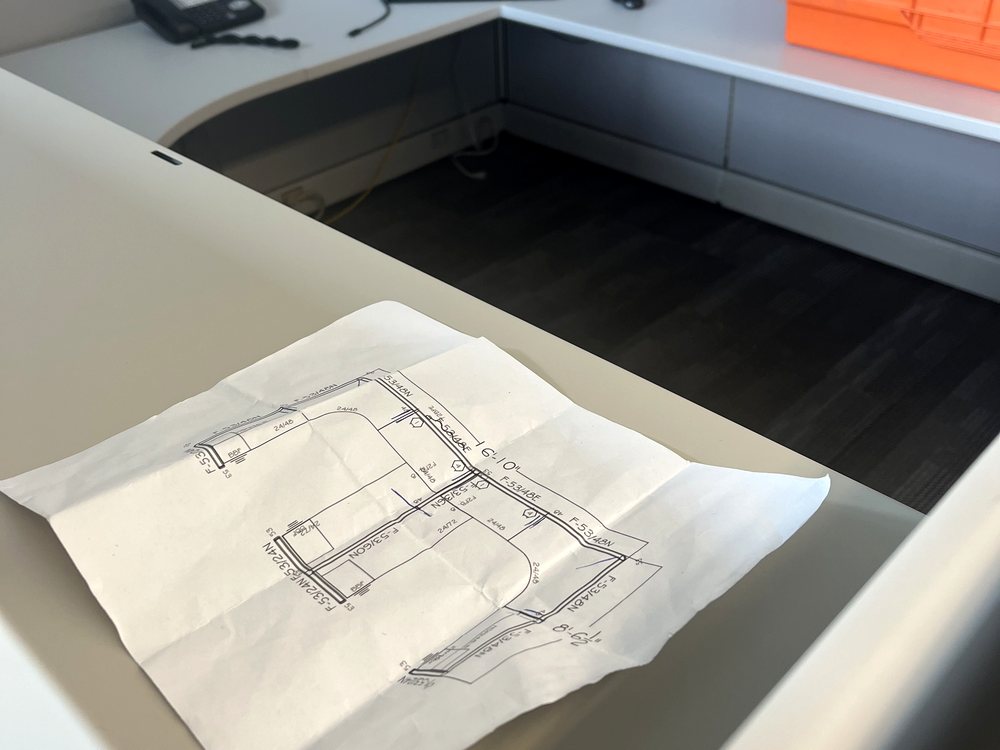
Eligible New Hampshire public entities can buy moving, reconfiguration and installation services from COI on State Contract #8003724, and Massachusetts entities can use OFF52. The furniture itself follows its own route. Here is how each one works.

Public agencies, schools and nonprofits can often buy furniture without running a bid, using a cooperative contract someone else already competed. Here is how that works, what it saves, and where it quietly costs more than bidding it yourself.
Ceiling lighting is designed for an empty floor. Once furniture, partitions and monitors arrive, the light at the desk is not what the drawing said. Here is how to fix it at the workstation without rewiring anything.

A burst pipe over a weekend can take out a floor of furniture. What you recover depends on documentation you either have or do not, and on decisions made in the first few days. Here is how the claim works and where furniture buyers lose money.
Fabric is the part of a furniture order that ages in public. Here is what the test numbers mean, where to spend, and how to pick textiles that survive a commercial floor and your cleaning crew.
You specify it, someone else has to deliver it. Here is what a furniture dealer should be handing your team at each phase, and the questions that separate real project support from a catalog and a smile.

If your project is chasing LEED or WELL, the furniture package carries real points and real documentation. Here is what certifications to ask for, what to collect, and when to ask for it.
Portsmouth, Dover, Portland and the towns between them are a real office market with very few furniture dealers in them. Here is what buying locally looks like from this corner of New England.

What Boston buildings do to your install budget, when used furniture is the right call, and how to buy without paying the downtown premium.
Manchester, Nashua, and the I-93 corridor have plenty of furniture warehouses. Here is how to tell a liquidation pile from a furniture program, and what buying local actually gets you.
Used furniture can cut a fit-out budget in half, or leave you with a floor of mismatched parts and no warranty. Here is where used wins, where it bites, and how to buy it without regret.
Renting a floor of furniture protects cash and disappears when the lease ends. Buying it builds an asset and costs less over time. Here is how to tell which one your situation actually calls for.
Every open plan now has a pod in the corner. Here is how to size them, spec them, and decide when a pod beats building the room.
Sit-stand stopped being a perk and became the baseline. Here is how to spec it for a whole floor without overpaying or buying desks nobody raises.
Two quotes for the same office can differ by 30 percent and both be honest. Here is how to read the line items, decode the discount, and compare bids on equal footing.
The chair is the one piece of furniture every person touches eight hours a day. Here is how to choose it without paying for adjustments nobody uses.
We pulled five recent New England projects where the client had bids from both. The average spread runs 32 percent. Here is where it comes from, line by line.
A single-brand catalog has 12,000 SKUs. An open-line dealer has access to roughly 600,000. The math on what that actually means for your project.
Direct-to-manufacturer feels cheaper until you count the coordination time. A 50-person office buying directly typically pays 6 to 12 percent more once the soft costs are in.
Most office furniture RFPs miss three line items that account for 40 percent of project risk. Here is the 12-point checklist we recommend to procurement teams across New England.
Major-line dealers carry one manufacturer. Open-line dealers carry the project. The difference shows up in your bid.
Same commercial spec, different price tag and lead time. Where Artopex outperforms, where Steelcase still wins, and how to decide.
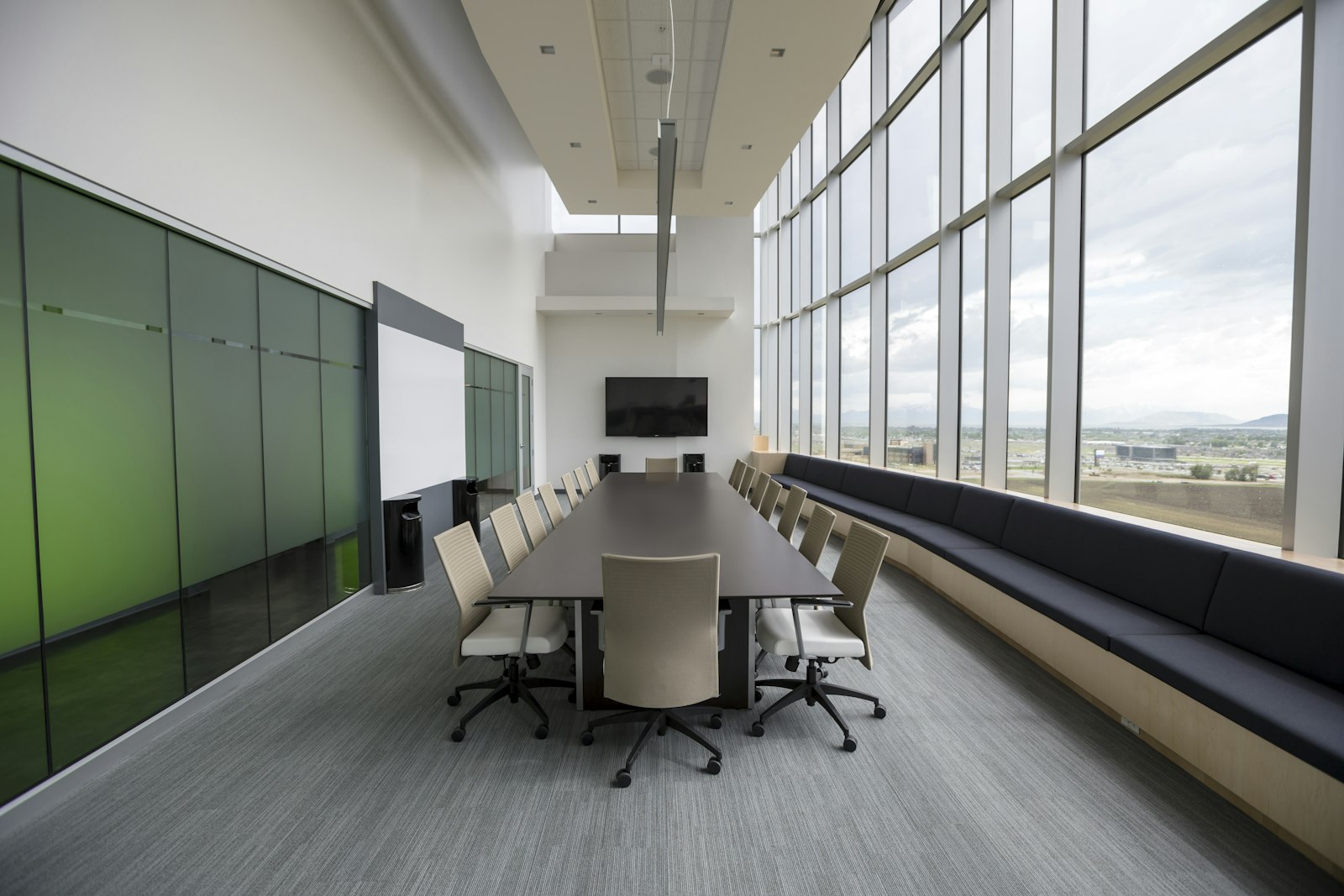
Running ten offices without a standard produces ten different chairs and no buying power. Here is how a standards program is built and what it saves.
Delivery and Installation
Moves, phased installs, installation day, closeout and what happens to the furniture you leave behind.
A multi-site office furniture rollout is easy where your team can reach. This is how to run the site it cannot: a standard that travels, a crew checked on paper, confirmed ship dates and a closeout done before final payment.
Office furniture repair works best as a plan, not a string of vendor calls. A triage rule for chairs, casegoods and lounge, what reupholstery costs against replacement, the parts to keep on hand, and a yearly budget per seat.
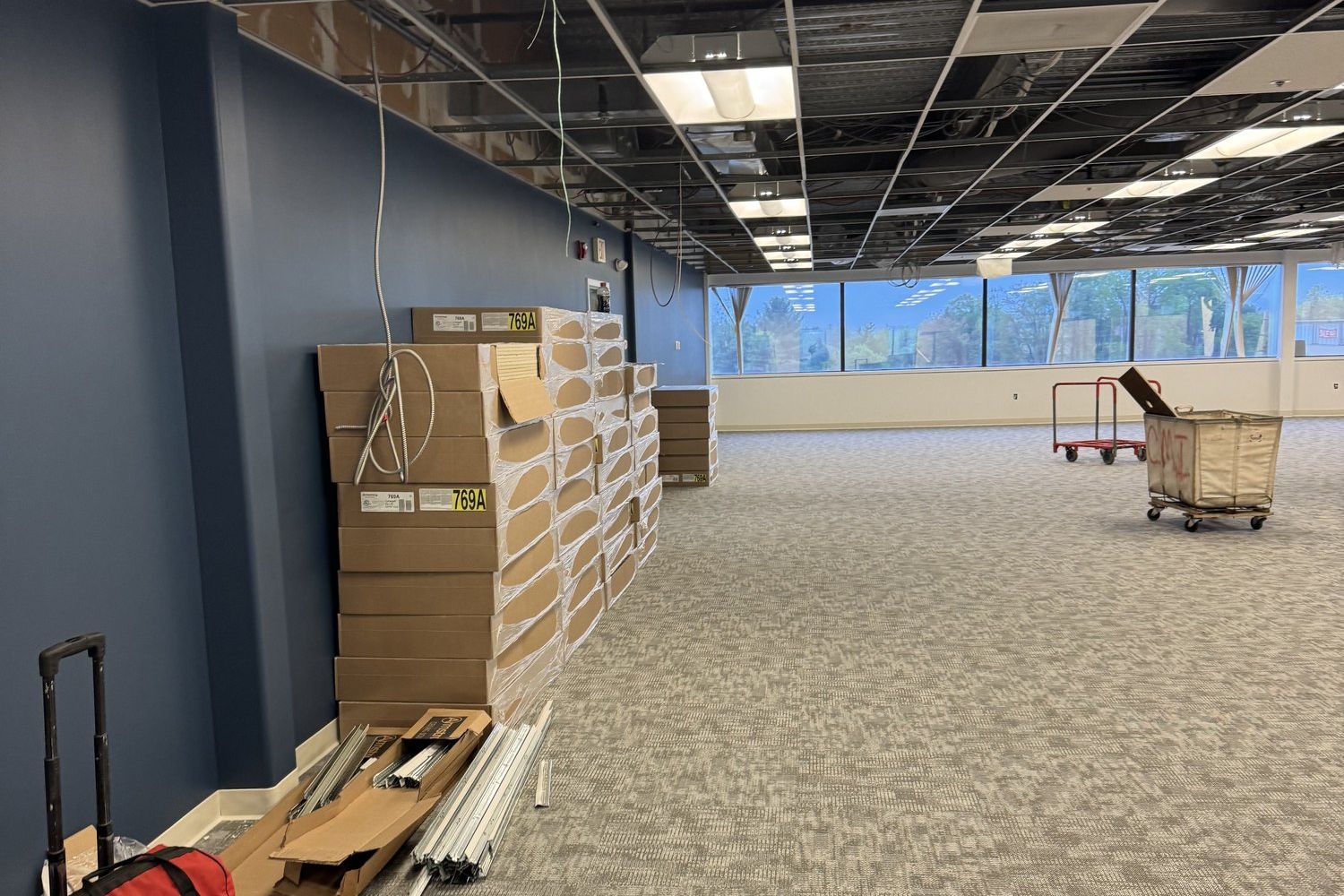
Phased office furniture installation lets an office renovate around the people still working in it. Here is how to zone the work, stage furniture with little storage, time deliveries around the trades and run three phases on a 15,000 square foot floor.
Installation finishing is not the same as a project closing. Here is how to run a punch walk that catches what matters, what a complete closeout package contains, and why the warranty start date is worth arguing about.

Phased renovations need somewhere for people to sit while their floor is torn up. Swing space usually gets decided late and furnished badly. Here is how to plan it, what to rent instead of buy, and how to keep the temporary furniture from becoming permanent.
Most organizations cannot say what furniture they have, where it is, or what it is worth. That becomes expensive at exactly three moments: a move, an insurance claim, and a disposition. Here is how to build an inventory that is worth maintaining.
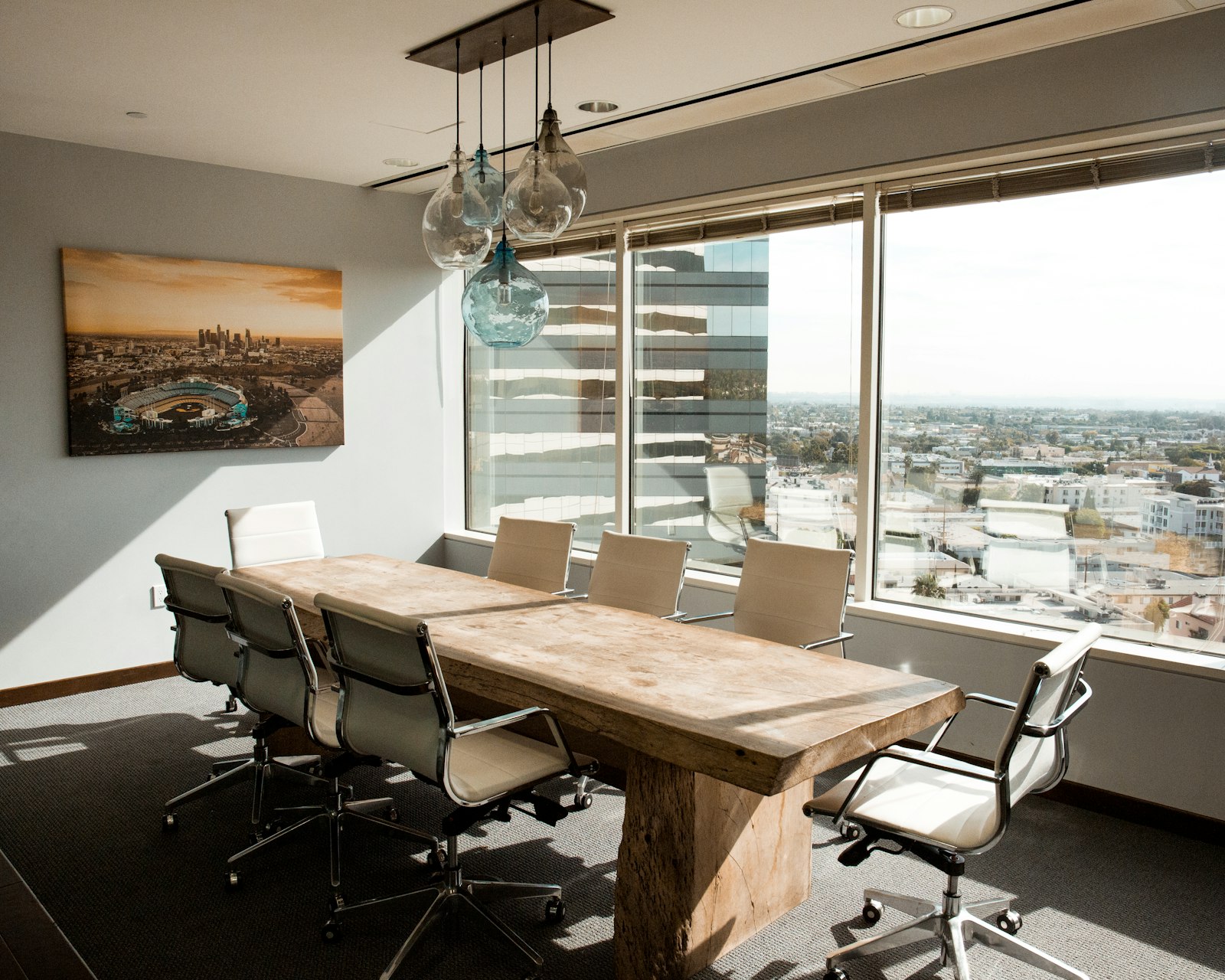
Between December and March, a furniture delivery in northern New England has failure modes it does not have in June. Frozen docks, storm-delayed freight, condensation on cold product and salt tracked across new carpet. Here is how to schedule around it.
Fit-out means different things to different parties. Here is how to divide furniture, construction, technology and move-in responsibility before the schedule turns it into a field problem.

Liquidation, donation, recycling, resale. Four exits for the furniture you are leaving behind, and what each one does to your budget.
A week-by-week office relocation checklist built around the furniture, the trades, and the two dates that actually matter.
Movers are not installers. What separates a commercial furniture installation crew from a truck, and what the work should cost.
A practical guide for facilities and project teams coordinating corporate office design, commercial furniture, installation, relocation and Day 2 support.
Install day is where a furniture project succeeds or unravels. Here is exactly what happens, and how to make sure the only surprise is how boring it was.
One contact, one schedule, one invoice. How a turnkey furniture project actually runs when the office manager hands the whole thing to a single dealer.
Most companies throw away furniture that retains 15 to 40 percent of its original value. Here is the data on what RESEAT clients have recovered in the past year.
A 50-person Boston office move runs $80K to $250K depending on how you scope it. Here is the line-item breakdown.
Warranty terms sound similar until something breaks. Here is what the differences mean in practice and what to confirm before you order.
Written for the People Buying the Furniture
Most furniture writing is product marketing. This is not that.
Facilities managers
Practical guides on lead times, move logistics, and what to put in writing on a furniture contract.
Operations leaders
Design decisions that affect productivity, retention, and real estate cost. The numbers behind the choices.
HR & People Ops
How office design plays into culture, recruiting, and retention. The office as a tool, not a perk.