
Most office furnishing cost estimates stop at the installed price, which is why the cheapest bid so often turns out to be the expensive one. Below is a 10-year model of one 50-seat office, specified two ways. Over ten years, the $45,000 bid costs roughly $122,000 to $130,000. The $78,000 bid costs roughly $84,000 to $87,000. What separates them is everything that happens after move-in.
Year one is the wrong number to compare
Procurement teams compare bids on installed price. Installed price is the number on the PO. It is also the number that misses about 60 percent of what furniture actually costs over its life.
The full picture covers six cost categories.
- ›Acquisition: what you pay to install it. Installation alone commonly adds 8 to 15 percent to the product cost, one of the lines our guide to reading a furniture proposal breaks out.
- ›Maintenance: parts, repairs, reupholstery, gas cylinder replacement. Our guide to building a furniture maintenance plan sets a per-seat budget for it.
- ›Replacement: full unit replacement when the product fails or gets retired. When it fails, the warranty terms decide how much of the bill is yours.
- ›Move and reconfiguration: cost to disassemble, transport, reinstall. Our guide to reconfiguring furniture you already own covers where that work saves money.
- ›Disposal: cost to remove and dispose of the unit at end of life. In New England, removal typically runs $2.50 to $6.00 per square foot, as our removal and decommissioning guide explains.
- ›Downtime and reorder: lost productivity and emergency procurement when a unit fails. A reorder waits on actual lead times, which run 1.4 to 1.8 times the quoted figure.
The cheapest acquisition cost often produces the highest 10-year cost. Numbers below come from actual project costs we have tracked, not industry estimates.
The 10-year breakdown
Two specifications, same 50-seat office, both starting in year one.
Specification A: residential-tier task chairs and laminate workstations from a big-box office supplier. Installed cost $45,000.
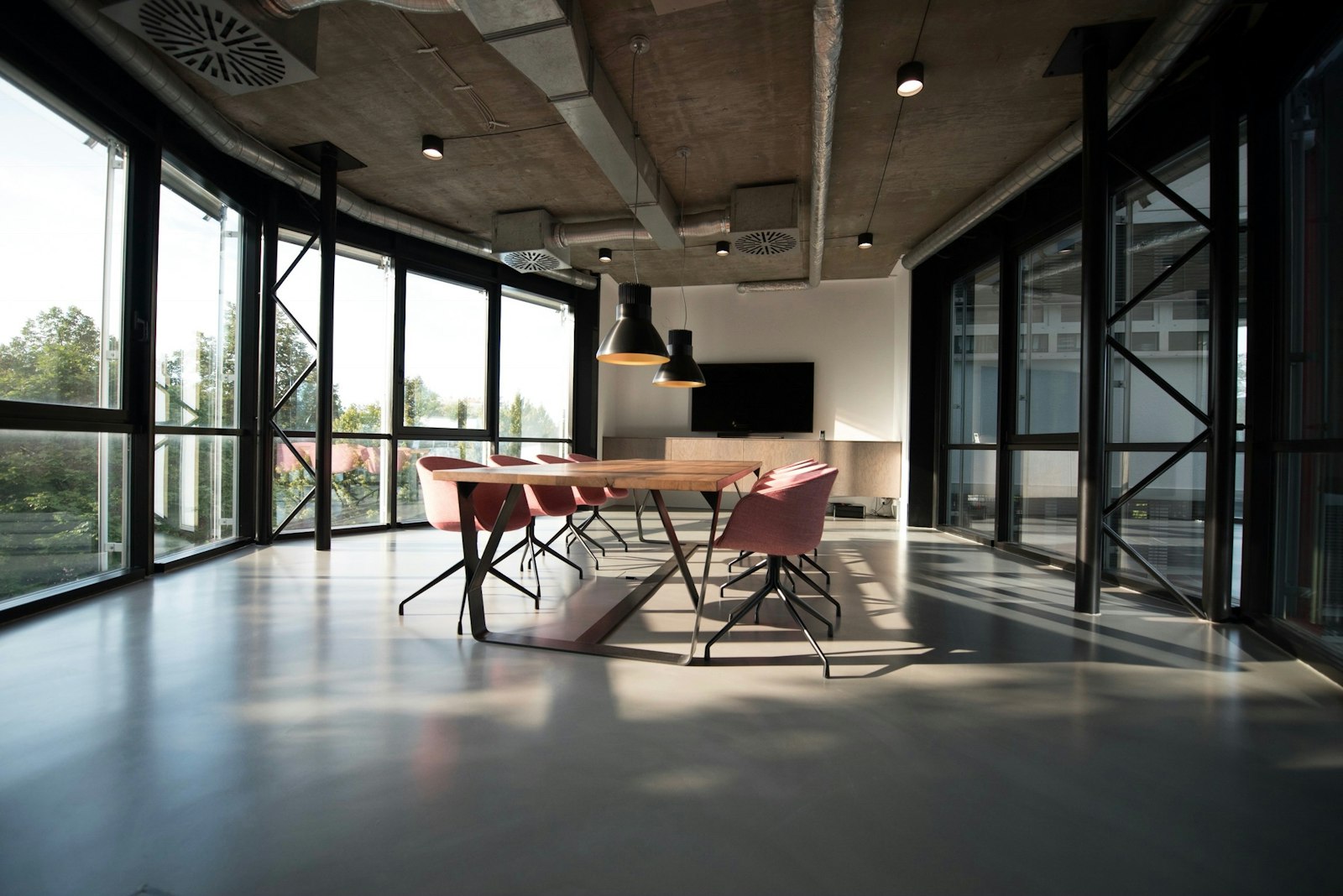
Specification B: commercial-grade task chairs and steel-frame workstations from a mid-market commercial manufacturer like Artopex. Installed cost $78,000.
Year 1: Spec A $45,000. Spec B $78,000.
Year 2 to 3: Spec A loses 8 to 12 chairs to broken cylinders, frame fatigue, and worn fabric. Replacement runs $280 per chair plus install labor. Total $3,800 to $5,200. Spec B no replacements. Annual maintenance $400.
Year 3 to 4: Spec A replaces another 10 chairs and 2 desks. Total $5,500. Spec B no replacements. Annual maintenance $500.
Year 4 to 5: Spec A replaces remaining chairs in full. $14,000. Spec B no replacements. Annual maintenance $600.
Year 6 to 8: Spec A replaces desks, storage, and now-failing replacement chairs from Year 3. Total $22,000 to $28,000. Spec B reupholstery on 10 chairs. $3,200.
Year 9 to 10: Spec A second full chair replacement cycle. $14,000. Most desks past life. $18,000 replacement. Spec B gas cylinder replacement on 12 chairs. $1,400.
10-year total: Spec A roughly $122,000 to $130,000. Spec B roughly $84,000 to $87,000.
Spec B costs 30 to 35 percent less over 10 years despite costing 70 percent more on day one.
The same model, per seat
Furniture budgets are usually set per seat, so here is the same model divided across the 50 seats.
| Per seat | Spec A: residential-tier | Spec B: commercial-grade |
|---|---|---|
| Installed, year one | $900 | $1,560 |
| Ten-year total | $2,440 to $2,600 | $1,680 to $1,740 |
| Average per year | $244 to $260 | $168 to $174 |
These figures cover the workstations and task chairs. A full office also furnishes meeting rooms, reception and shared space, and in a whole-office budget the individual workspace is roughly 55 to 65 percent of the per-seat number. That is why full budgets run higher: $2,500 to $4,500 per person at the functional tier and $4,500 to $8,000 at the professional tier, as our office furniture cost per employee benchmarks lay out.
What blows up the residential bid?
Three failure modes drive most of the cost gap.
Task chair gas cylinders. Residential-tier chairs use cheaper pneumatic cylinders rated for roughly 2 years of 8-hour use. In an office, they fail in 18 to 30 months. Replacement runs $280 to $400 per chair installed. Our task chair buyer’s guide covers what each price tier buys.
Laminate desktops. Lower-grade laminates show wear at the edge profile within 3 to 4 years. Burn marks from monitor arm clamps appear sooner. Commercial laminates from Artopex, Global, or Kimball are rated for 10+ years and carry warranty against this exact failure.
Fabric. Residential-grade fabric is rated for 15,000 to 20,000 double-rubs. Commercial-grade Crypton or similar fabrics are rated for 100,000+. The math on rework is brutal once you have to reupholster 50 chairs.
How do you budget office furnishing cost for a new space?
Set the number per seat, then test it against the ten-year view. Five rules keep the budget honest.
- ›Start per seat, not per square foot. Pick a tier, multiply by headcount, then add removal of the furniture you are leaving and a 5 to 10 percent contingency. Our fit-out budget calculator does the arithmetic.
- ›Plan before you price. A floor ordered at the wrong density gets lived with or reordered, and on a 75-person plan the reorder usually runs 8 to 15 percent of the project total. Our free space plan breakdown shows what gets caught at the plan stage.
- ›Spend where the wear is. Task chairs, work surfaces and seat fabric are where Spec A failed. Commercial steel storage and casegoods last for decades, which makes them the safest place to buy used or refurbished, as our used vs. new comparison covers.
- ›Match the purchase to your time in the space. Under about two years, renting or leasing can beat buying. Over five years or more, buying is almost always the cheapest path, as our leasing vs. buying guide works through.
- ›Count what comes back. Furniture you retire still has value: across 41 RESEAT projects in 2025, resale, donation and avoided disposal recovered about 18 percent of the original asset value. Our resale recovery data breaks it down.
How do you make the commercial case to finance?
The CFO conversation gets easier with three numbers.
Year-one acquisition is roughly 35 to 50 percent of total furniture cost over a 10-year period when you factor in maintenance, replacement, and downtime. The number to compare is 10-year total, not Day 1 install.
A commercial-grade specification depreciates on a 7-year schedule for tax purposes and sits as an asset on the balance sheet. A consumer-tier specification gets written off and replaced inside the depreciation cycle.
The 12-year warranty on commercial furniture is enforceable. Manufacturers send parts, technicians, or replacement units when the product fails. The 1-year warranty on consumer furniture covers manufacturing defects only, and the labor cost of swapping it falls on you.
If you want a 10-year TCO model run on a specific spec, we will build it. Free for any project over 25 seats.